


You wake up and reach for coffee, as you do most mornings. That first sip doesn't just wake you up. It steadies something in you. The aroma, the warmth in your hands, the taste that feels like home. You're not looking to give that up.
But maybe you've noticed the jitters creeping in earlier than they used to. Maybe your stomach's been more sensitive. Maybe you're just curious about whether there's something out there that offers the same ritual, the same boldness, the same reliable energy, just gentler on your body.
Instead of asking you to learn a foreign tea culture, yaupon meets you where you are: bold roasted flavor that tastes familiar, a smooth taste that never turns bitter, and the same morning ritual you already love.
Most "best tea for coffee drinkers" articles are written by brands selling imported traditions. This one is different. It's written by the only company growing a caffeinated tea plant native to North America.
What Coffee Drinkers Actually Want From Tea
The ritual matters more than most people admit. When coffee drinkers explore tea, it's not really about swapping one caffeinated beverage for another. It's the aroma filling your senses, the warmth in your hands, the moment that signals the day is beginning.
Most coffee drinkers don't actually want to quit coffee forever when they start exploring tea. They want something that honors what they already love: bold, roasted flavor, reliable energy that doesn't crash two hours later, and a morning routine that feels like home. A good alternative shouldn't ask you to compromise on any of that.
According to the National Coffee Association, American coffee drinkers consume an average of nearly 3 cups per day. When they look for alternatives, it's usually because they're tired of the jitters, noticing digestive sensitivity, or curious about something gentler on their body. They're not looking to reinvent their mornings. They're looking for a beverage that fits their existing ritual.
Here's what the research shows: both coffee and tea are loaded with polyphenols, the compounds that give them their antioxidant power. Both can sharpen focus and improve alertness. The difference is what comes with them. Coffee often brings an intensity that doesn't always feel sustainable. Tea can offer that same bold flavor and gentle boost without the crash that makes you reach for a second cup by 11 a.m.
You don't have to quit coffee to find something better. The right tea starts where your coffee habit already lives.
Meet Yaupon, the Tea That Was Made for This
Yaupon is Ilex vomitoria, the only caffeinated tea plant native to North America. Indigenous peoples have brewed it for thousands of years, and it's the rare tea that actually tastes as it belongs in a coffee drinker's cup.
What makes yaupon so different isn't just what it is. It's what it isn't. It's not asking you to develop a taste for something new and unfamiliar. The roasting process gives dark yaupon a bold, toasty quality that coffee drinkers recognize instantly. Brew it like you would any loose-leaf tea, and the experience feels familiar from the very first cup.
Why Yaupon Is Different
The trifecta that makes yaupon work for coffee drinkers is caffeine, L-theanine, and theobromine. Caffeine gives you the lift. L-theanine smooths it out so you don't get the jitters. Research published in Nutritional Neuroscience found that the combination of caffeine and l-theanine significantly improved accuracy and alertness while reducing tiredness. Theobromine, the compound that makes chocolate feel comforting, adds depth and warmth to the energy.
That combination creates what we call steady joyful energy. It's a lift without intensity. Focus that builds rather than spikes. The roasting process deepens the flavor of loose-leaf yaupon, which means dark-roast yaupon tastes familiar to your palate. You get the roasted, almost woody notes you expect from coffee.
You get warmth in your mouth. You get that moment of pause before the day begins. And you get all of it without the acidity that can upset your stomach or the tannins that dry out your mouth.

Other Teas Worth Knowing About
If you're curious about other options, here are the ones coffee drinkers tend to gravitate toward when they decide to drink tea more seriously. Each one brings something real to the table, and knowing them helps you see where yaupon actually sits.
Black Tea, Breakfast Tea, Pu-Erh, and Lapsang Souchong (For Coffee-Like Flavor)
-
Black tea is the most obvious starting point for coffee drinkers who want to quit coffee without giving up bold flavor. It's full-bodied, dark, and contains about 40 to 70 milligrams of caffeine per cup. Brands like Assam and Ceylon have those deep, earthy notes that remind people of coffee.
-
Breakfast tea blends like English Breakfast are designed specifically to drink the way most people drink coffee: strong, with a splash of milk and maybe a bit of sugar. There's something familiar about reaching for a dark, robust cup first thing in the morning.
-
Lapsang souchong is a smoked black tea with an intensely smoky, almost campfire quality. Coffee drinkers who love bold, dark flavors sometimes connect with it. But it's polarizing, and the brew requires care.
-
Pu-erh is fermented, which gives it an earthy, mineral quality that appeals to people looking for something richer and smoother on the stomach. The brew precision that pu-erh requires can feel daunting if you're used to just grabbing whatever's in your cup and expecting great results.
Matcha, Earl Grey, and Yerba Mate (For the Caffeine Hit)
-
Matcha is whole-leaf tea in powder form. You're not brewing it, you're drinking the entire plant, which means about 75 milligrams of caffeine per serving, plus sustained release thanks to l-theanine. You get intense focus and calm at the same time. It doesn't replace the roasted quality of coffee, but it does deliver the caffeine hit.
-
Earl grey is black tea flavored with bergamot, a citrus fruit. It's one of the more popular choices among coffee drinkers exploring alternatives because it tastes more complex than a standard cup and feels a little more special. Brew it strong with milk and it gets closer to the morning coffee experience many people are used to. You still need to watch your steep time to avoid bitterness, but the flavor is genuinely good.
-
Yerba mate is a cousin of yaupon, both come from the Ilex family. Yerba mate contains similar caffeinated compounds, but it comes with tannins and a grassy, earthy flavor that requires brewing skill. Many coffee drinkers find the flavor profile less familiar than they'd hoped. It's a respected beverage with a devoted following, but as a direct swap for your morning coffee, the transition isn't always smooth.
Roasted Oolong, Hojicha, Rooibos, and Chai (The Gentler Side)
-
Roasted oolong brings caramel and nutty notes without the intensity of black tea. It sits between green tea and black tea, with about 50 to 75 milligrams of caffeine. The roasting process releases flavors that feel toasted and comforting. It's less likely to upset your stomach than black tea, but tannins still catch you off guard if you're not watching the brew time.
-
Hojicha is green tea that's been roasted until it turns brown. It has a coffee-like aroma and naturally lower caffeine, around 25 milligrams per cup. Many coffee drinkers love hojicha because it delivers that roasted quality they crave without any bitterness, even with longer steep times. It's forgiving in a way that most teas aren't, which makes it appealing for anyone with a busy morning.
-
Rooibos is naturally caffeine-free, so it's not a direct replacement for energy. But it has a naturally sweet, earthy flavor that works well in the afternoon or evening without disrupting sleep. Chai blends black tea with warming spices like cinnamon, cardamom, and ginger. Brewed strong with milk and a touch of honey, chai becomes something bold and complex that scratches the morning ritual itch. Just know that chai's bold flavor still comes with tannins and variable caffeine depending on the blend.
Every one of these teas has something real to offer. But only one is smooth, never bitter, impossible to over-steep, and native to North America. Only one was grown right here.
There's a tea for every taste. But if you want something that fits your coffee routine without a learning curve, yaupon is the only option that requires zero adjustment.
Yaupon Tea is Waiting For You
The transition from coffee to something else doesn't have to be dramatic. It doesn't have to be a moral decision or a big life change. It can just be a morning where you're curious about a different flavor, a different energy, a different ritual.
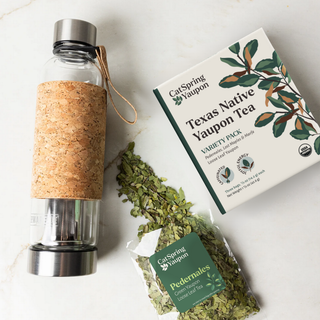
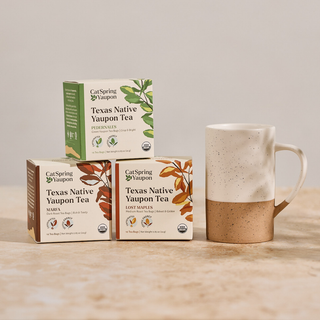
If you want to start with what tastes most familiar, grab the dark roast. If you want to explore the full range of roast profiles, CatSpring's variety pack gives you Pedernales Green, Lost Maples Medium, and Marfa Dark all in one box. It's the easiest way to find your match without committing to one before you know what you like.
This tea grows in Texas. It's been brewed by people on this continent for thousands of years. It doesn't ask you to learn a foreign tradition or overhaul your mornings. It asks you to stay with what you love about your ritual and let the plant do the rest.
The best tea for coffee drinkers is the one that honors what you already love about your morning. Yaupon does that.


